If you’ve ever stared at https://traviscgeu707.raidersfanteamshop.com/chocolate-gift-baskets-for-high-end-gift-baskets-the-ultimate-luxury-treat a glossy display of chocolate baskets at a grocery store, you might wonder: what is the difference between artisanal and mass‑produced chocolate baskets? The answer is as layered as the chocolate itself—there are subtle nuances that make each type of basket a distinct experience. In this guide, we’ll peel back the wrappers, compare flavor profiles, production methods, and even the stories behind the makers, so you can confidently choose the perfect chocolate treasure for any occasion.
The Origin Story: Craft vs. Factory
Hand‑Crafted Journeys
Artisanal chocolate baskets usually begin with a single vision: a passion for flavor, a commitment to quality, and a love for the craft. These baskets are often produced in small batches, sometimes by a single chocolatier or a small cooperative. The ingredients are sourced directly from farmers, and the chocolate is tempered by hand, allowing for precise control over texture and taste. The result is a basket that feels like a secret family recipe—warm, personal, and unmistakably unique.
Industrial Scale Production
Mass‑produced chocolate baskets, on the other hand, are the product of efficient supply chains and standardized processes. Large factories use automated tempering machines, pre‑packaged molds, and bulk packaging lines. The focus is on consistency, shelf‑life, and cost‑efficiency. While this approach guarantees a uniform product every time, it can sometimes sacrifice the nuanced flavors that artisanal makers cherish.
Flavor Profiles: From Bold to Subtle
Richness and Complexity
Artisanal baskets often feature single‑origin chocolates, where the bean’s terroir shines through. You might taste hints of citrus, nuts, or even floral notes that echo the bean’s growing region. The cocoa content can vary widely, allowing chocolatiers to experiment with high‑percentage dark chocolate, silky milk chocolate, or even cacao‑infused spreads that surprise the palate.
Predictable Sweetness
Mass‑produced baskets tend to lean toward mainstream tastes. They often contain a blend of cocoa from multiple sources, ensuring a balanced flavor that appeals to the broadest audience. Sweeteners, emulsifiers, and preservatives are added to extend shelf life and maintain consistency. The result is a reliable, familiar chocolate experience—think of it as the “comfort food” of chocolate baskets.
Packaging and Presentation
Storytelling in the Box
Artisanal baskets are frequently wrapped in recyclable or reusable materials, sometimes with hand‑drawn labels that tell the story of the bean’s journey. The packaging is often minimalist, letting the chocolate itself take center stage. A small note might explain the origin of the beans or the techniques used in tempering, turning the purchase into an educational experience.
Bulk Appeal
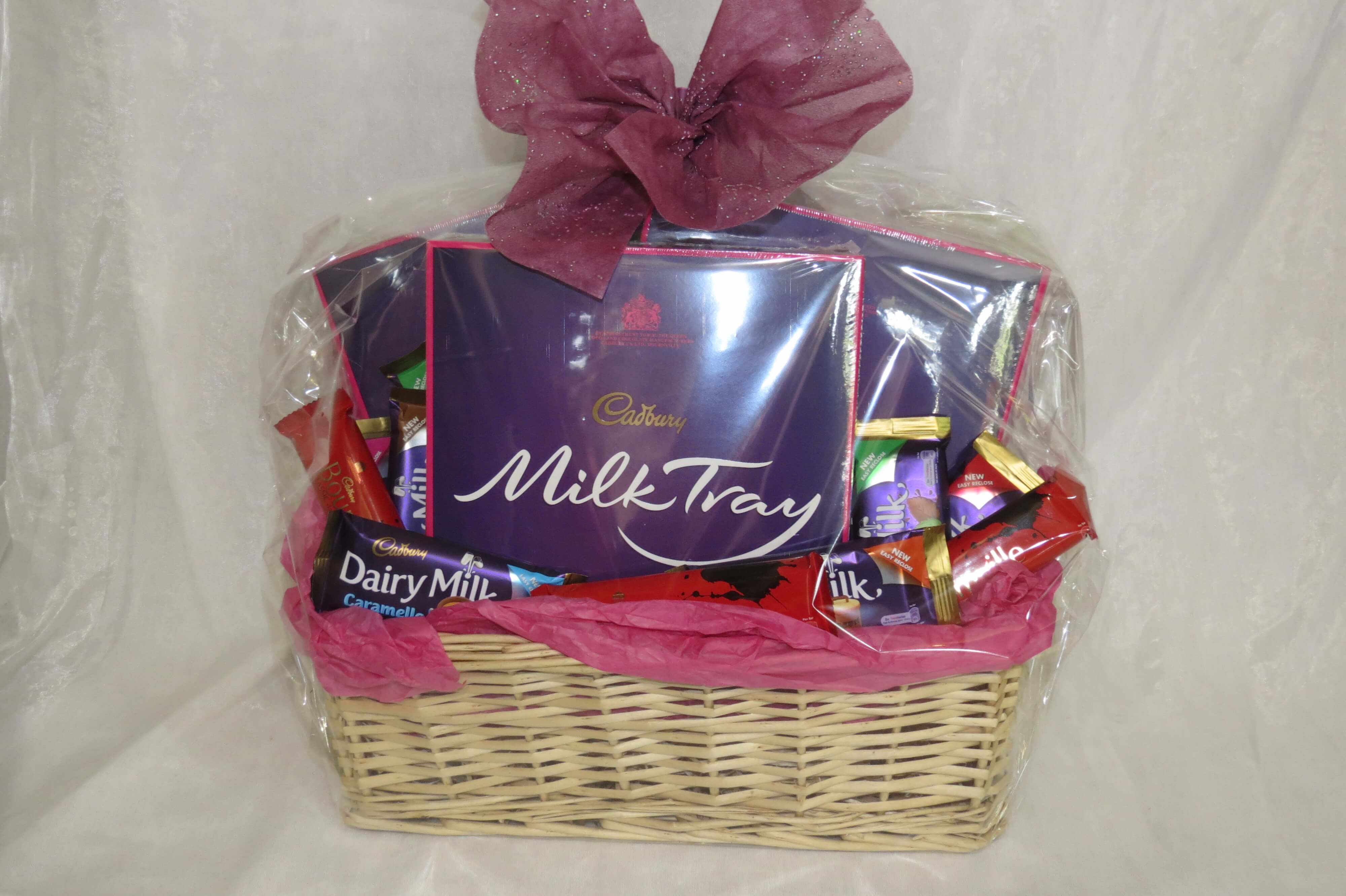
Mass‑produced baskets are designed for quick retail pickup. The packaging is often bright and eye‑catching, with bold logos and a clear price tag. While functional, the design usually focuses on brand recognition rather than storytelling. The box may contain a handful of chocolate pieces, a few candies, and a small gift card, all engineered to maximize shelf visibility.
Production Speed vs. Patience
Slow‑Cooked Perfection
Artisanal chocolatiers often follow a “slow‑cook” philosophy. Beans are roasted at low temperatures, chocolate is tempered by hand, and each piece is carefully inspected. This meticulous process can take weeks from bean to basket, but the payoff is a chocolate that melts smoothly, delivers a complex flavor, and feels like a luxury indulgence.
Fast‑Track Manufacturing
Mass‑produced chocolate baskets are built for speed. Machines temper chocolate in seconds, molds are filled in milliseconds, and packaging lines can produce hundreds of baskets per hour. While this efficiency is impressive, the rapid pace can lead to less nuanced flavor development and a more generic chocolate experience.
Environmental Footprint
Sustainable Practices
Many artisanal producers prioritize sustainability. They may use fair‑trade beans, support local farmers, and employ eco‑friendly packaging. The small scale of production allows for tighter control over waste and resource use. The result is a basket that not only tastes good but also feels good to the planet.
Conventional Footprints
Mass‑produced baskets often rely on large-scale farming and industrial packaging that may involve significant carbon footprints. While some brands are making strides toward sustainability, the sheer volume of production can make it harder to track and reduce environmental impact.
Pricing and Value
Premium Investment
Because of the labor‑intensive process and high‑quality ingredients, artisanal baskets usually carry a higher price tag. However, the value lies in the experience: a one‑of‑a‑kind flavor, a story behind every bite, and the satisfaction of supporting small‑scale artisans.

Affordable Accessibility
Mass‑produced baskets offer a more affordable option for gift-giving or everyday treats. Their lower cost is due to economies of scale, streamlined production, and standardized ingredients. While they may lack the depth of artisanal chocolate, they provide a reliable and accessible chocolate experience.
A Light‑Hearted Anecdote
I once attended a chocolate tasting event where a chocolatier compared his artisanal batch to a “soulful symphony,” while the factory‑produced sample was described as a “commercial jingle.” The difference was clear: one left me humming a sweet lullaby, the other simply played the same tune on repeat.
A Quote to Remember
> “Good chocolate is not a luxury; it’s a reminder that the world is full of small pleasures.” – Anonymous
Making Your Selection Count
When deciding what is the difference between artisanal and mass‑produced chocolate baskets, consider the following:
- Purpose: Gift for a special occasion? Choose artisanal for a personal touch. Need a budget‑friendly option? Mass‑produced fits the bill. Flavor Preference: Adventurous? Go artisanal. Classic sweet tooth? Mass‑produced is reliable. Sustainability: Want to support ethical sourcing? Artisanal often leads the way. Time Constraints: If you’re in a hurry, mass‑produced is ready in seconds. If you have time, savor the artisanal process.
In the end, whether you lean toward the handcrafted charm of artisanal chocolate baskets or the dependable convenience of mass‑produced ones, remember that chocolate is meant to delight. Choose the basket that speaks to your taste buds, your values, and your budget, and let every bite be a celebration of flavor.