When you’re packing a baby hamper, you’re probably picturing a neat bundle of diapers, wipes, a soft blanket, and maybe a favorite plush. But what if that same hamper ends up holding a toy that’s not quite right for your little one’s first playtime? It’s a common hiccup, especially for new parents juggling lists and last‑minute decisions. In this guide, we’ll walk through the steps to take when you realize a baby hamper’s contents may not match your child’s developmental needs, safety standards, or sensory preferences. By the end, you’ll know exactly how to assess, adjust, and ensure that every item in that hamper is truly a win for your baby.
Understanding the Baby Hamper Dilemma
What is a baby hamper?
A baby hamper is essentially a curated set of essentials that parents or relatives pack to help a new arrival settle in. Think of it as a “starter kit” that covers the basics: clothing, feeding supplies, and often a few small toys. These hampers are popular gifts because they’re convenient and practical.
Common reasons it may not fit
- Size mismatch – A toy designed for older toddlers may be too big for a newborn’s tiny hands. Material concerns – Certain fabrics or plastics can be hazardous if they break apart. Developmental mismatch – Toys that require fine motor skills may be too advanced for a baby’s grasp.
If you spot any of these red flags, it’s time to ask, “What to do if baby hamper is not suitable for baby first toy?” The answer is simple: evaluate and replace.
Assessing the Suitability of the First Toy
Safety first
Safety is the non‑negotiable baseline. Check for:
- Small parts that could be swallowed. Sharp edges or loose seams. Toxic dyes or untreated wood.
If any of these are present, the toy is a no‑go.

Developmental appropriateness
A baby’s first toys should:
- Encourage sensory exploration (textures, sounds, colors). Be easy to grasp and hold. Not require complex manipulation.
If the toy demands a level of coordination a newborn can’t yet muster, it’s time for a swap.
Sensory considerations
Babies are highly sensitive to stimuli. A toy that is too bright, too loud, or Go to this site has an overwhelming texture can cause distress. Look for:
- Soft, muted colors. Gentle sounds (e.g., a soft rattle). Smooth, baby‑friendly textures.
Practical Steps to Take
Inspect the toy
Start with a quick visual and tactile inspection. Ask yourself:
- Does it fit comfortably in a baby’s hand? Are there any loose parts? Is the material safe for skin contact?
If any doubts arise, move on to the next step.
Compare with guidelines
Refer to reputable sources such as the American Academy of Pediatrics or the Consumer Product Safety Commission. They provide clear criteria for age‑appropriate toys. A handy checklist might look like this:
- ✅ No parts smaller than 1.9 cm ✅ No sharp edges ✅ Non‑toxic paint ✅ Easy to clean
Seek professional advice
If you’re uncertain, consult a pediatrician or a child‑development specialist. They can Storage baskets offer personalized guidance based on your baby’s age, temperament, and developmental milestones.
Explore alternatives
When a toy falls short, replace it with something that meets all safety and developmental criteria. Consider these options:
- Soft plushies – Soft, washable, and perfect for cuddling. Rattles with gentle sounds – Stimulate hearing without overwhelming noise. Textured blocks – Encourage tactile exploration. Board books – Introduce early literacy with sturdy pages.
If you’re looking for a quick swap, a classic wooden rattle often hits the sweet spot: safe, simple, and endlessly charming.
When to Replace or Upgrade
Signs the toy is unsuitable
- Frequent dropping – The baby can’t hold it, so it falls often. Discomfort – The baby shows signs of irritation (crying, fussiness) when playing with it. Safety concerns – Any part of the toy is loose or broken.
Timing for transition
A good rule of thumb: if the baby is less than six months old and the toy doesn’t align with the guidelines above, it’s best to replace it sooner rather than later. Babies evolve rapidly, and what’s suitable at three months may not be at nine.
A Lighthearted Anecdote
I once received a hamper filled with a “cute” plush rabbit that, upon closer inspection, had a detachable ear that looked like a tiny chew toy. My cousin, a seasoned mom, immediately declared, “That’s a potential choking hazard!” We all laughed, but the rabbit was promptly removed. The lesson? Even the most adorable items can hide hidden dangers if you’re not vigilant.
Wisdom from Experts
> “The safest toys are those that are simple, sturdy, and designed with the child’s developmental stage in mind.” – Dr. Elena Martinez, Pediatric Development Specialist
This quote reminds us that sometimes less is more. A single, well‑chosen toy can provide more benefit than a cluttered hamper full of questionable items.
Making Your Selection Count
Choosing the right toy for a baby’s first playtime is more than a matter of aesthetics; it’s about nurturing healthy growth and ensuring safety. When you pause to evaluate each item in a baby hamper, you’re investing in your child’s well‑being and setting a foundation for future learning. If you find yourself wondering, “What to do if baby hamper is not suitable for baby first toy?” remember the steps above: inspect, compare, consult, and replace. By following this straightforward process, you’ll keep the hamper’s contents a true “first‑toy” worthy of your baby’s curiosity and safety.
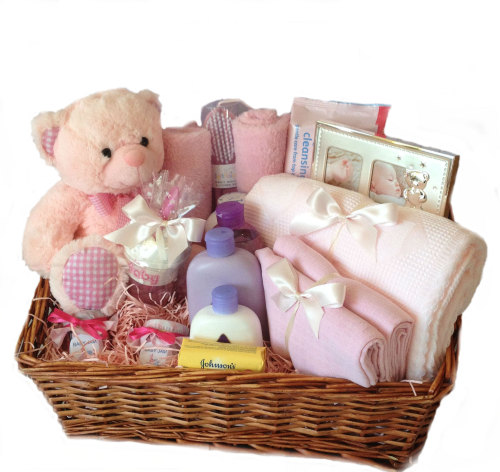
Take a moment now to review the items you’ve packed or received. If any doubt lingers, trust the guidelines and your instinct. Your baby’s first toy should be a source of joy, not worry. And that, dear reader, is a small win in the grand adventure of parenthood.